

Te AhikA
Northland
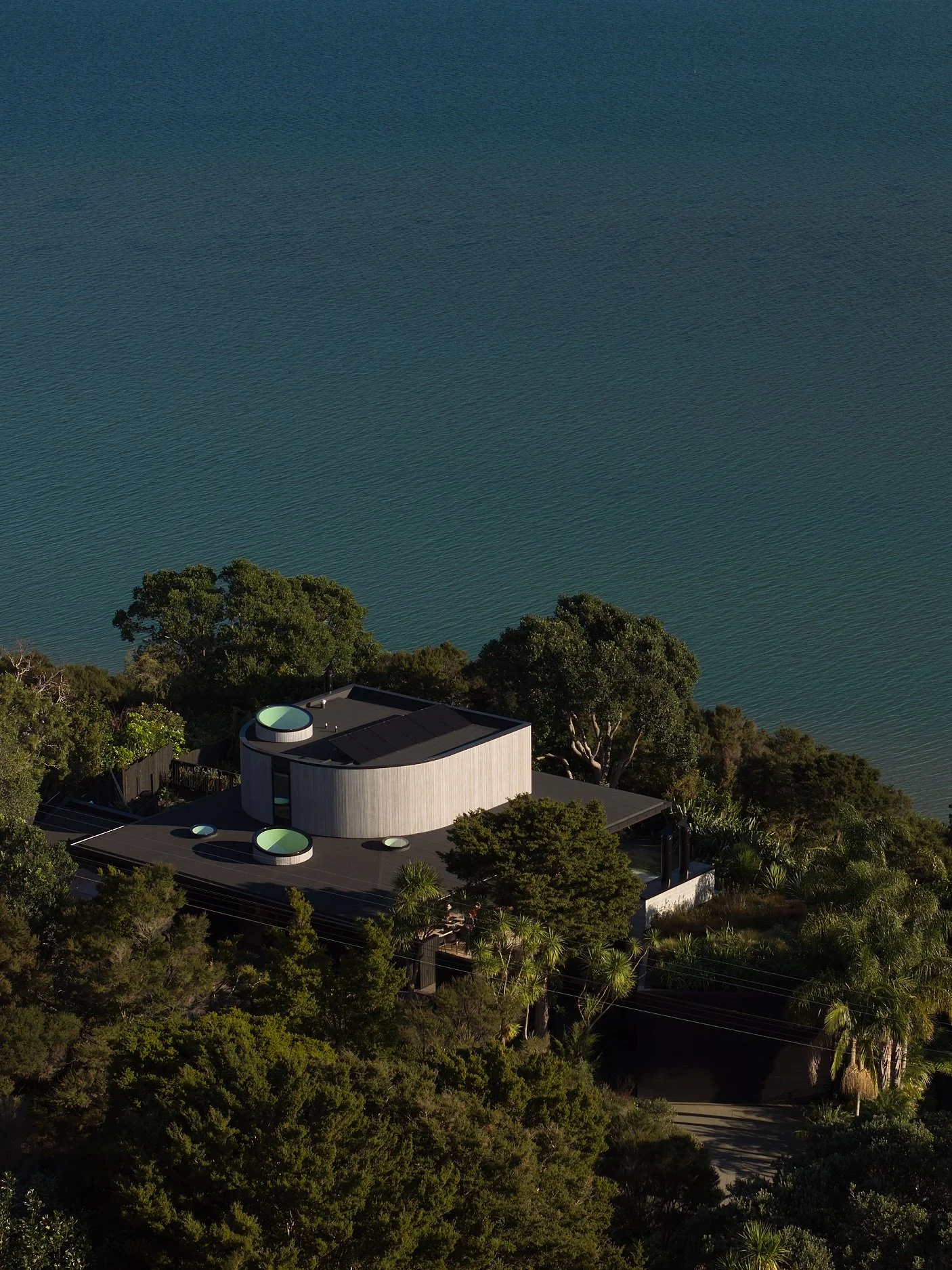
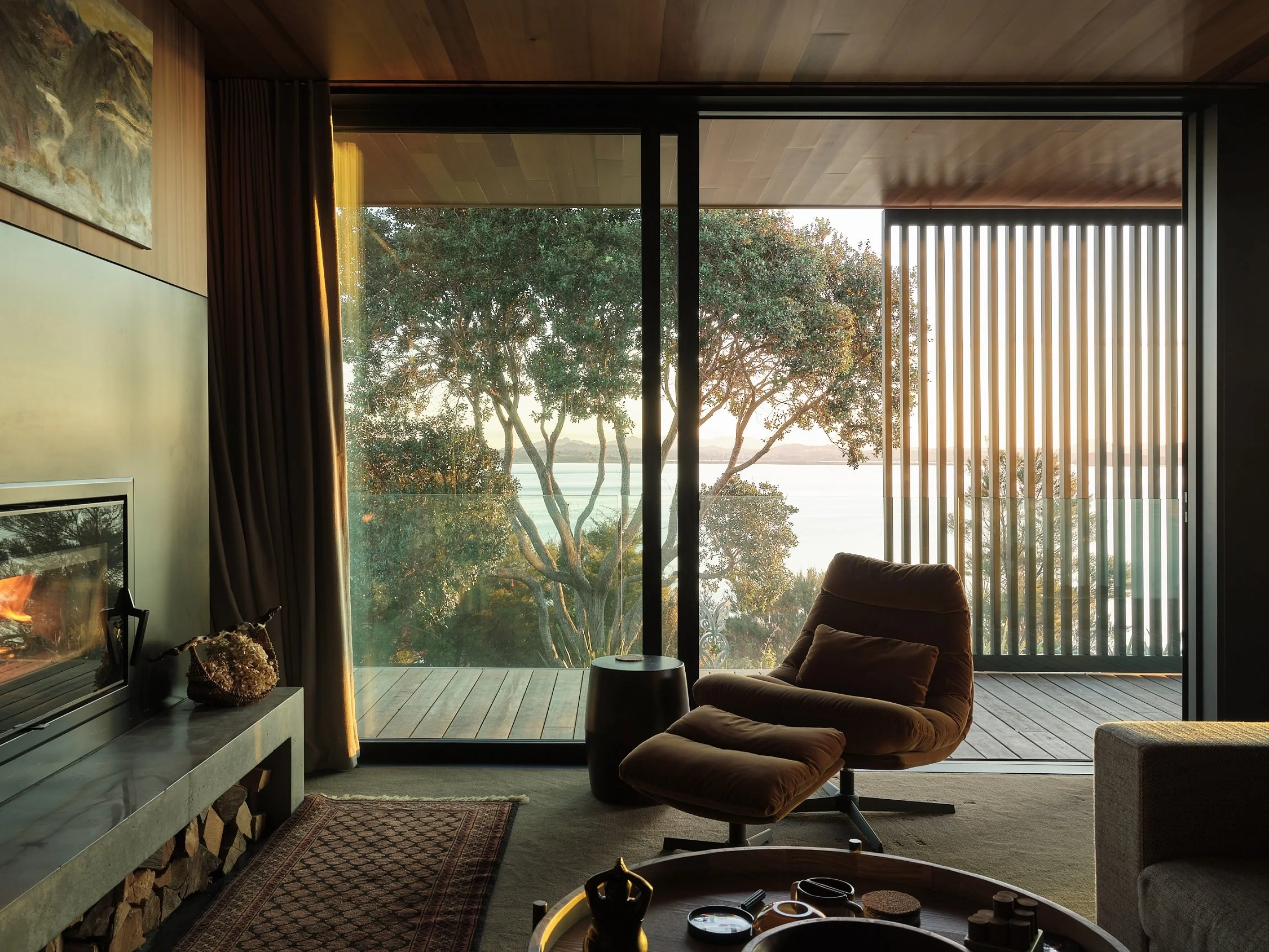
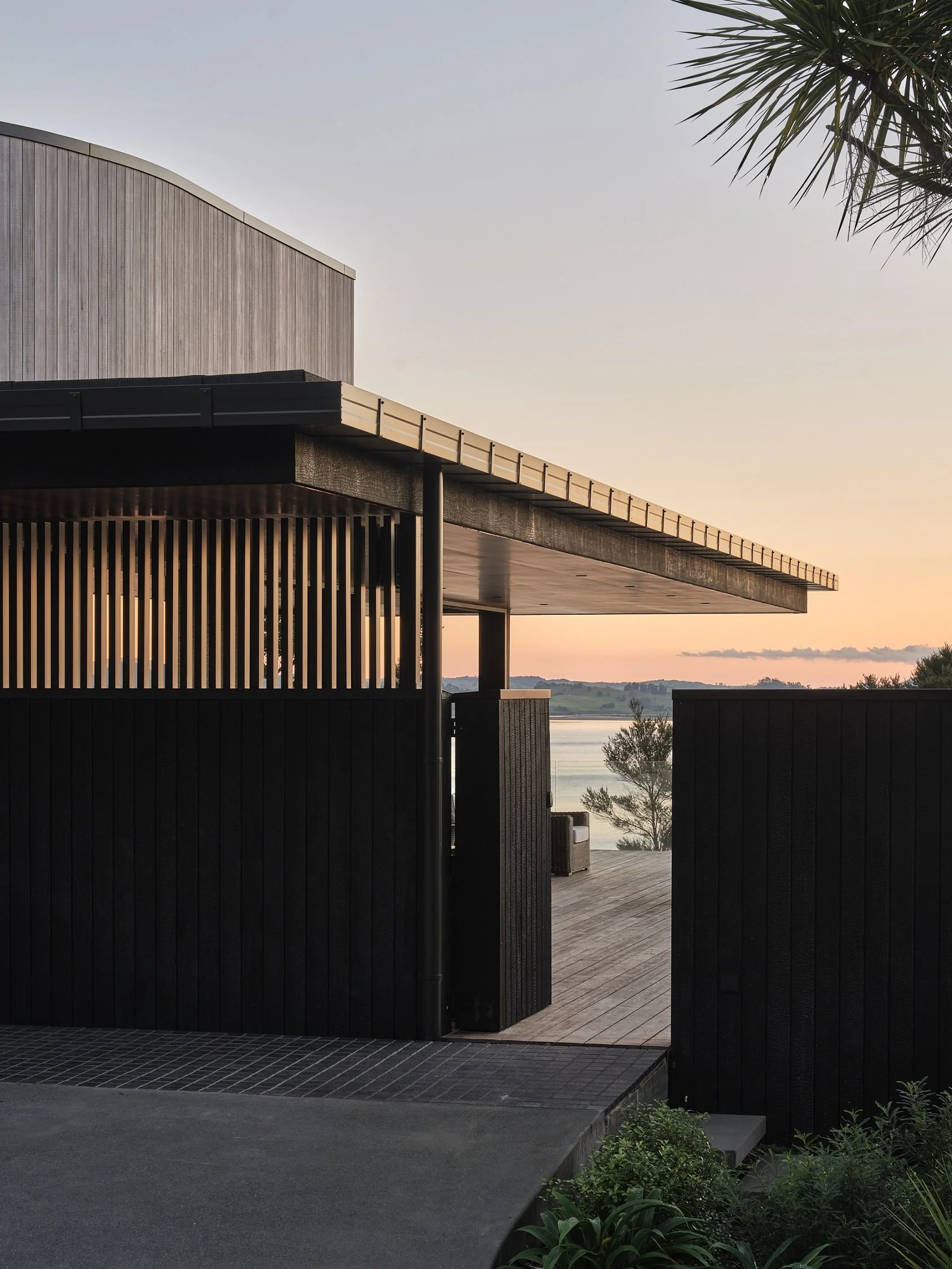
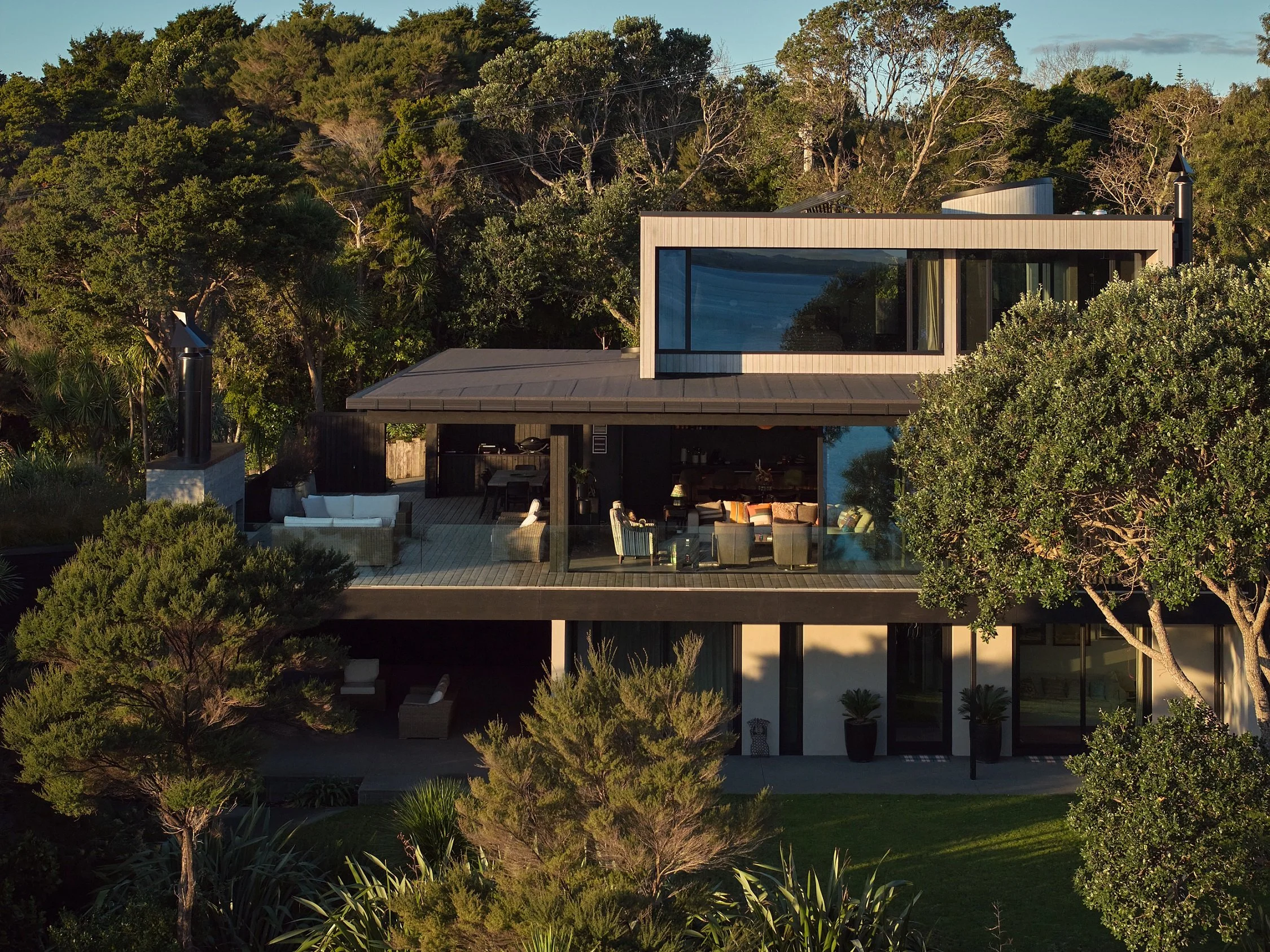
Located on a coastal ridgeline at Whangārei Heads, Te Ahikā reworks an existing three-level house into a home that is more responsive to its site, climate, and the rhythms of everyday life.
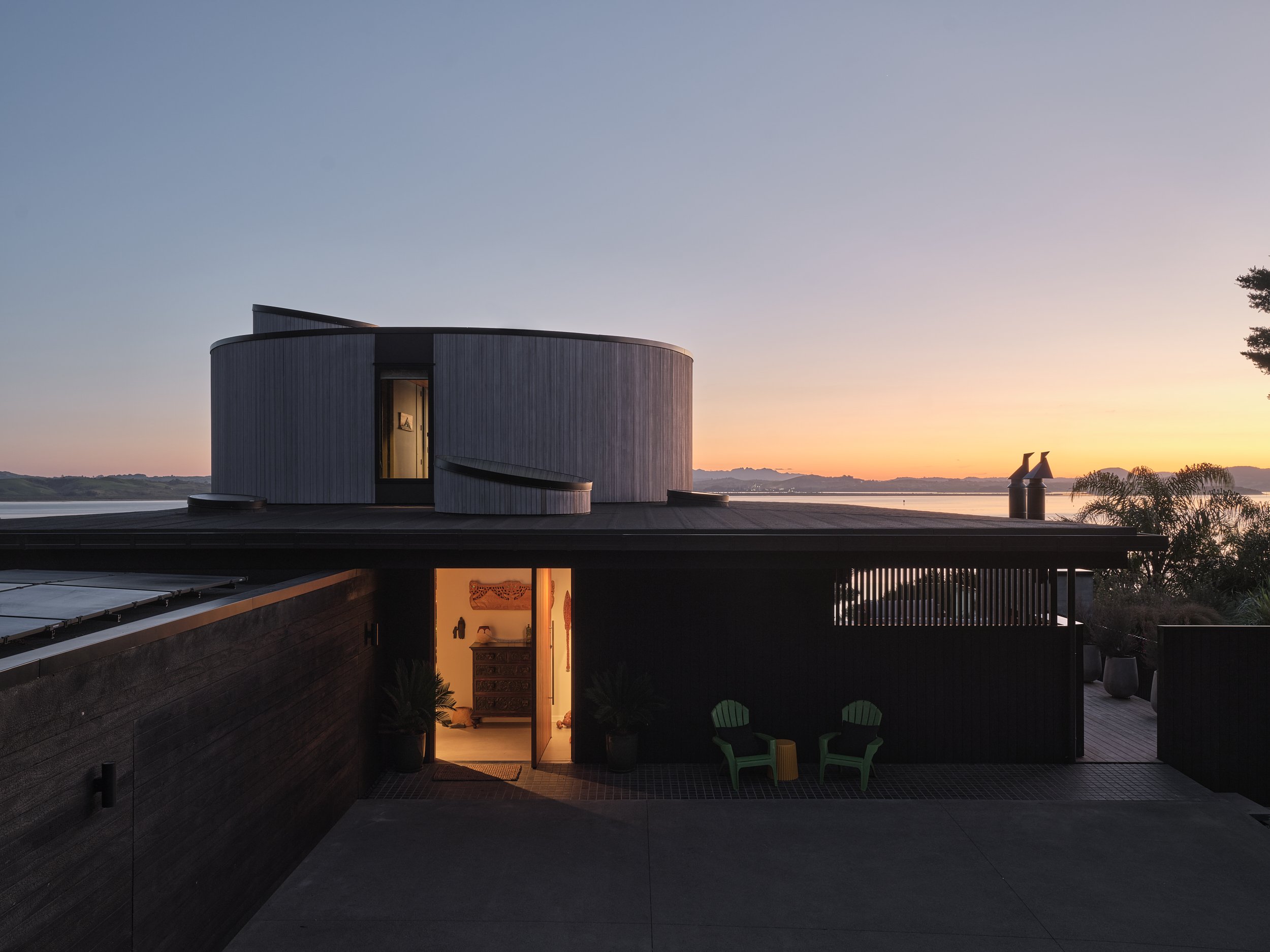
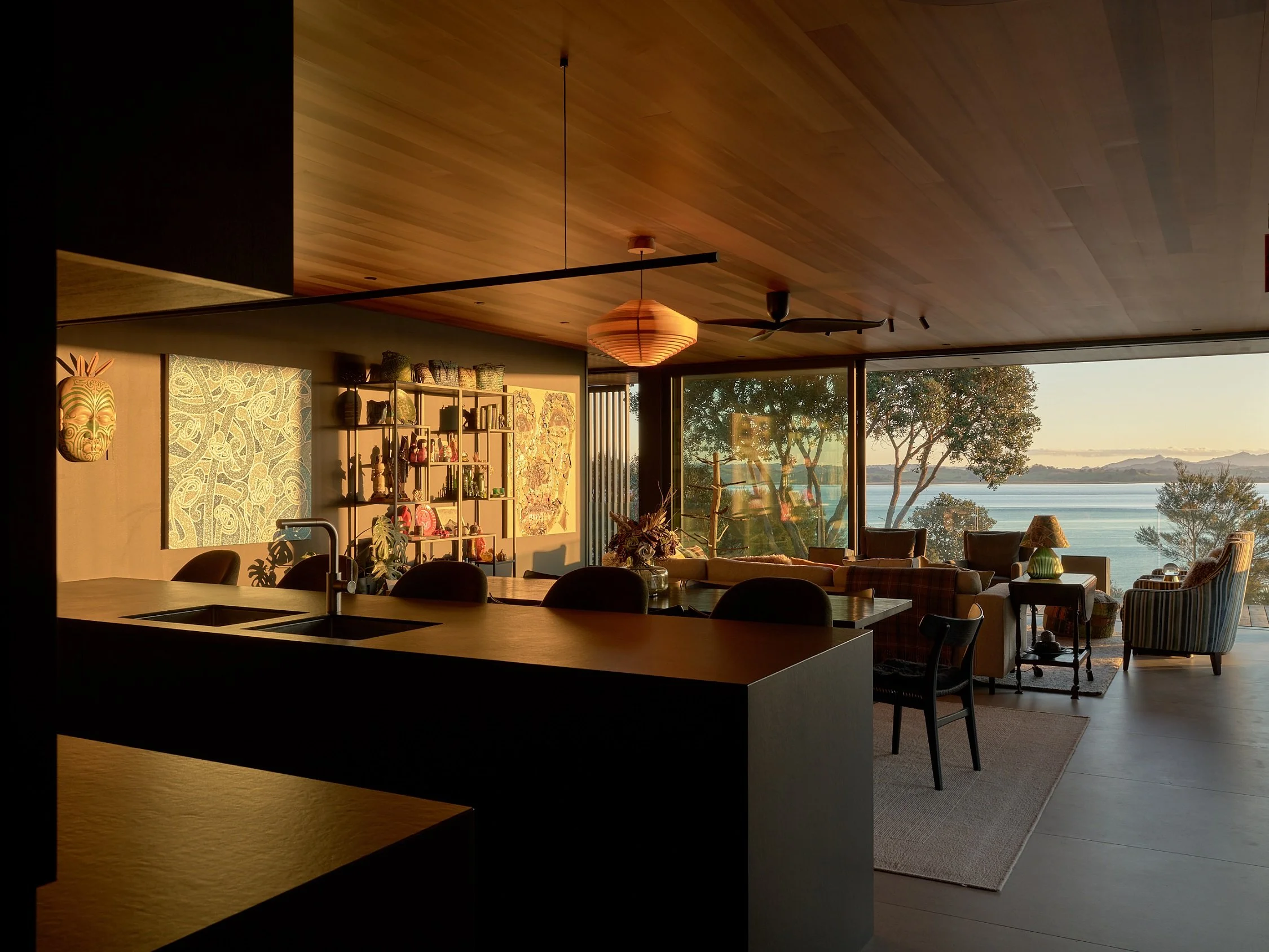
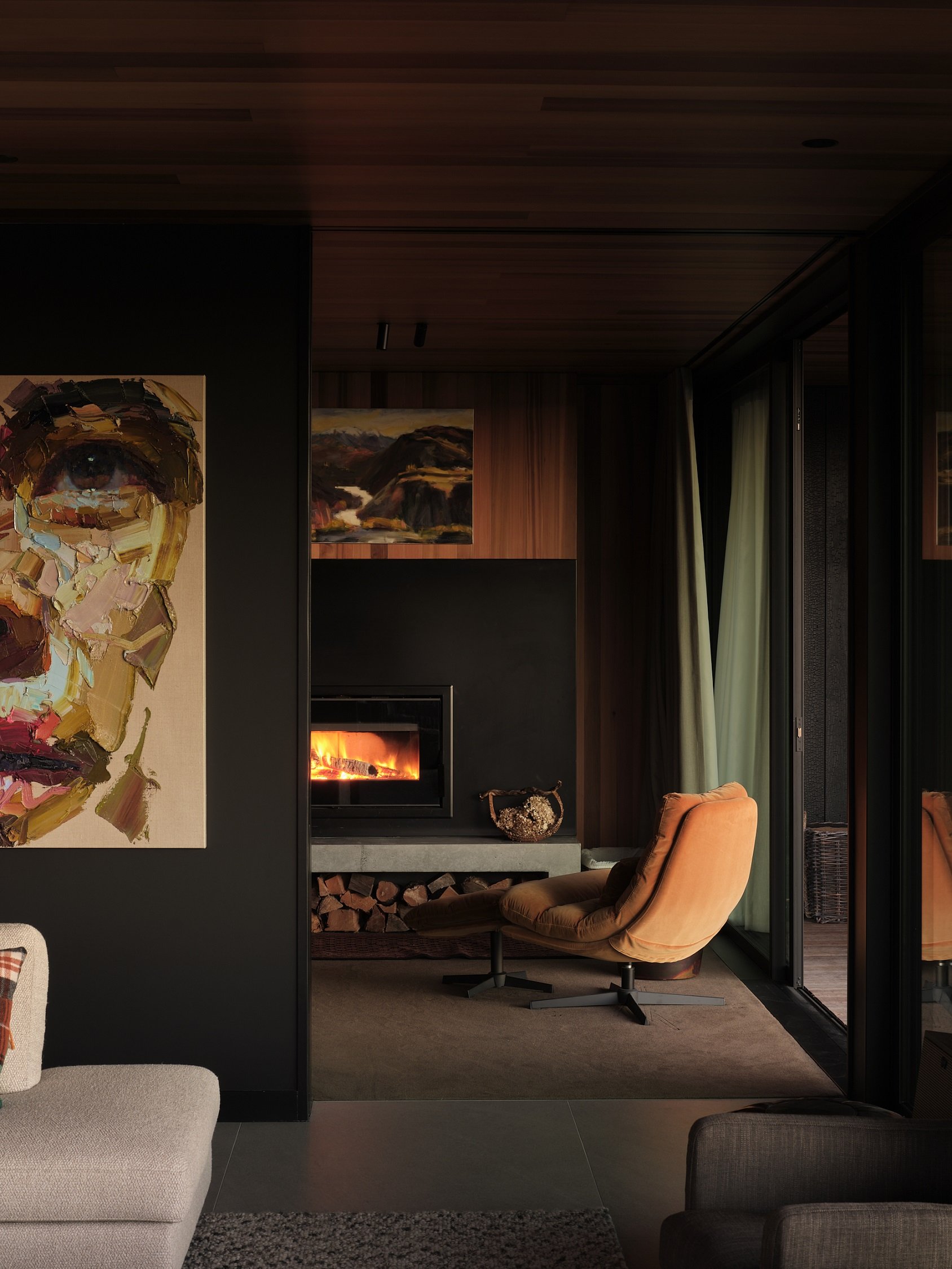
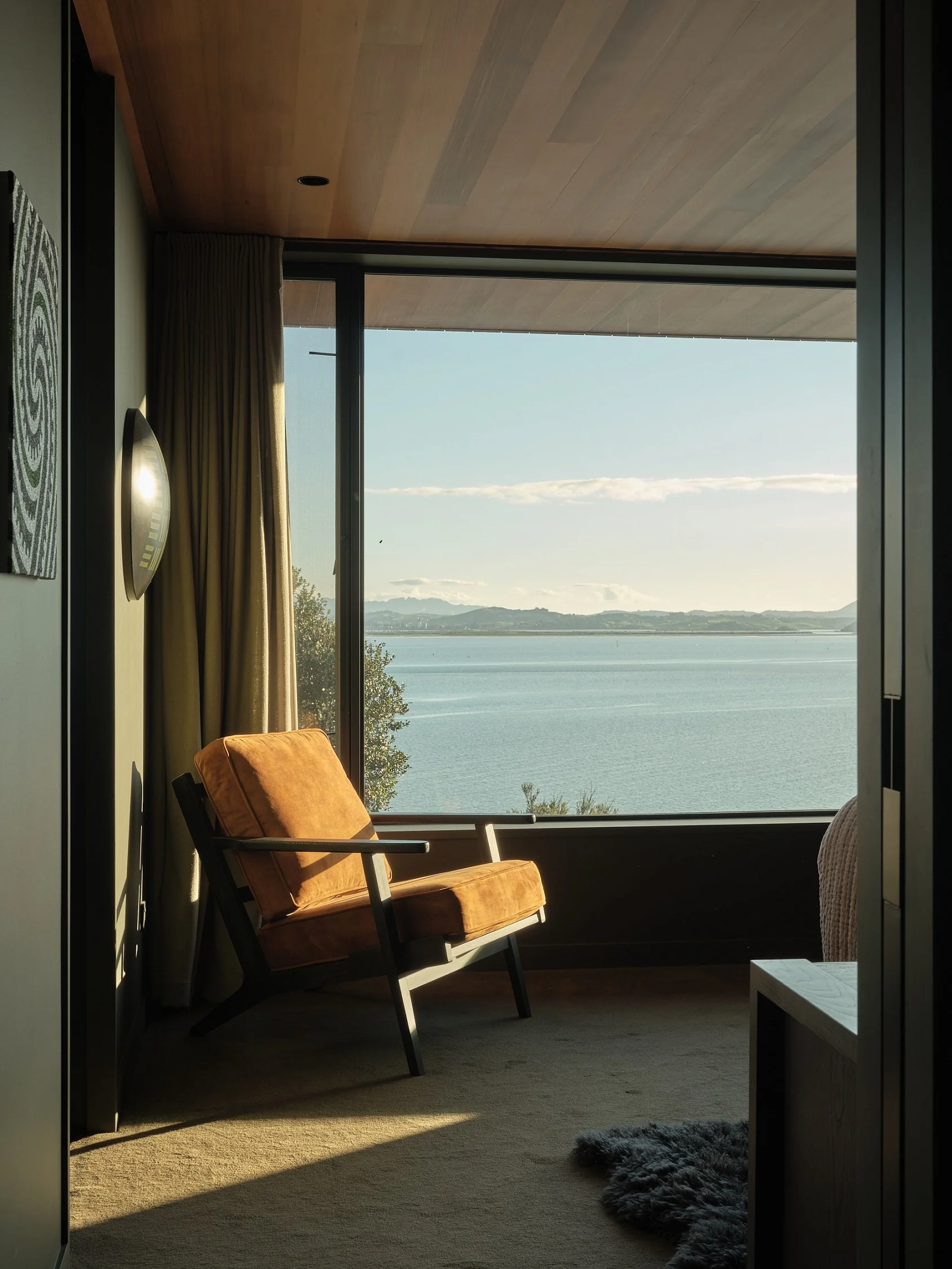
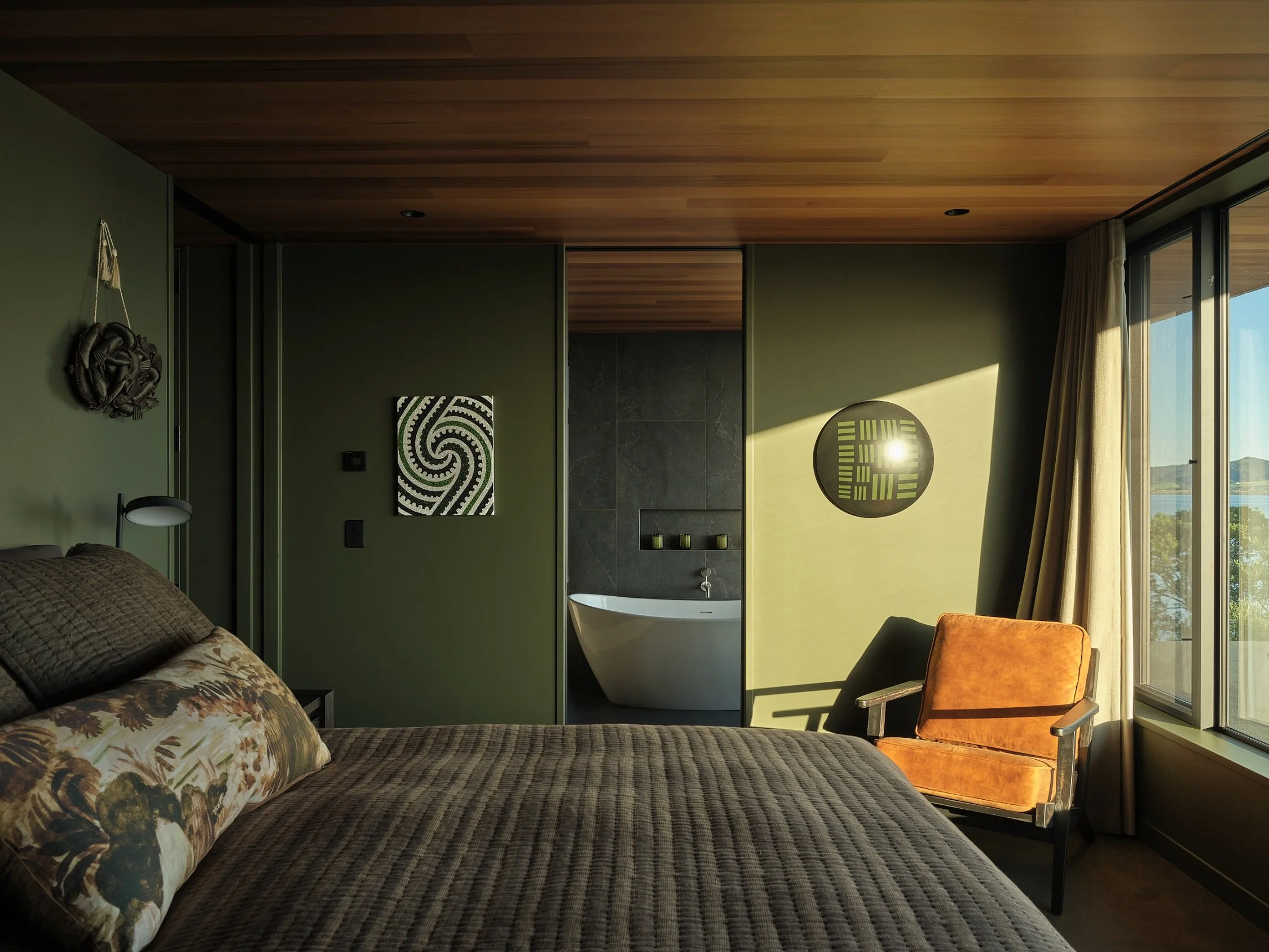
The intervention centres on a reconfigured plan and a series of carefully considered additions that strengthen the relationship between the house and its landscape. Living spaces are oriented to the harbour and surrounding headlands, capturing expansive views while drawing in natural light and winter sun. Open, interconnected spaces support gathering and entertaining, while quieter moments throughout the home provide places for retreat and reflection. Walls and volumes are composed to accommodate art and sculpture, allowing each piece to become part of the lived experience of the home.
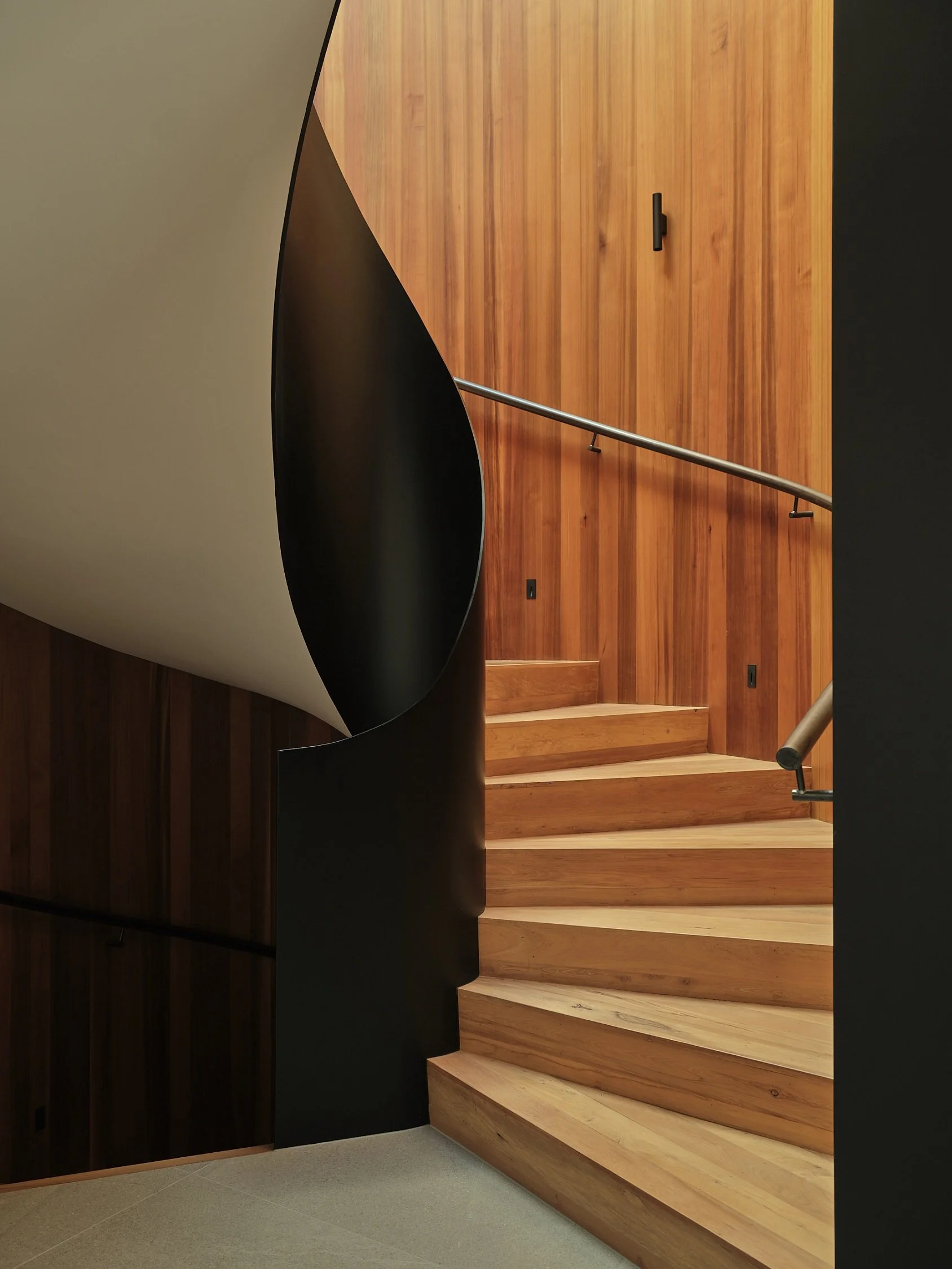
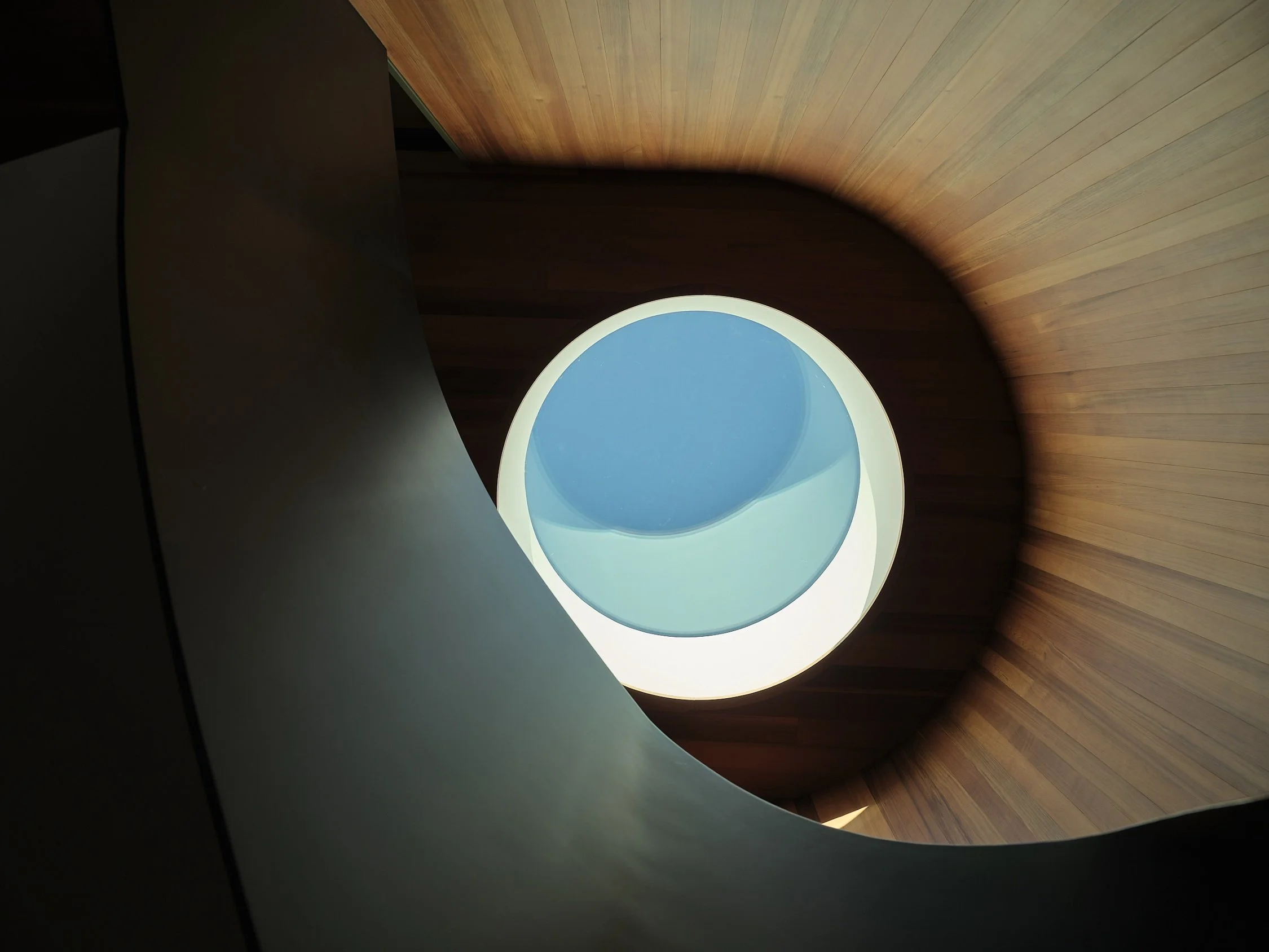
At the heart of the home, a sculptural spiral staircase forms the primary circulation spine, connecting all three levels. More than a functional element, its curved form evokes movement and visual connection between floors.
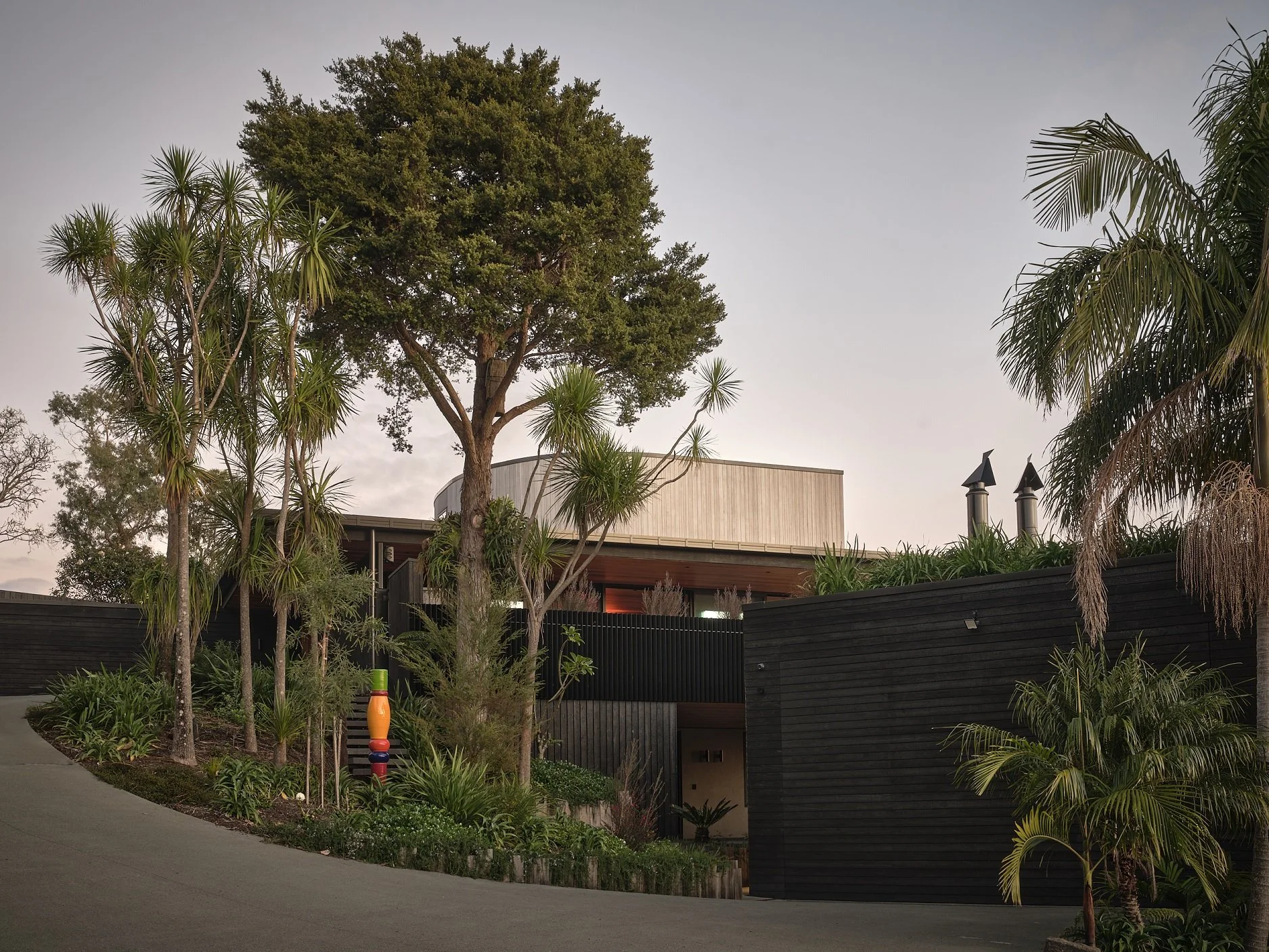
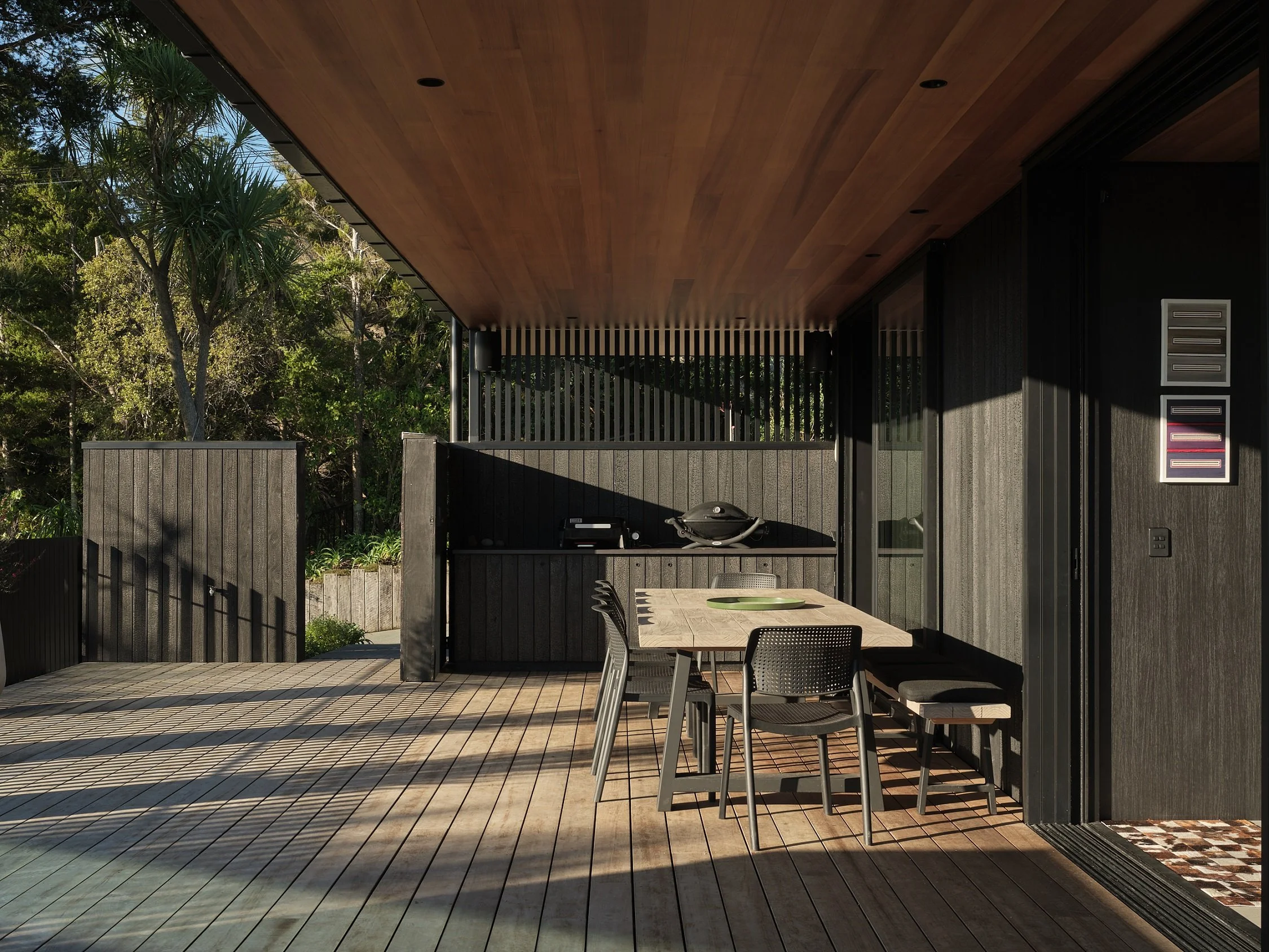
Privacy from neighbouring properties is achieved through the careful placement of openings, screening, and the layering of internal and external spaces. The result is a home that feels simultaneously open to the landscape and protected from its surroundings.
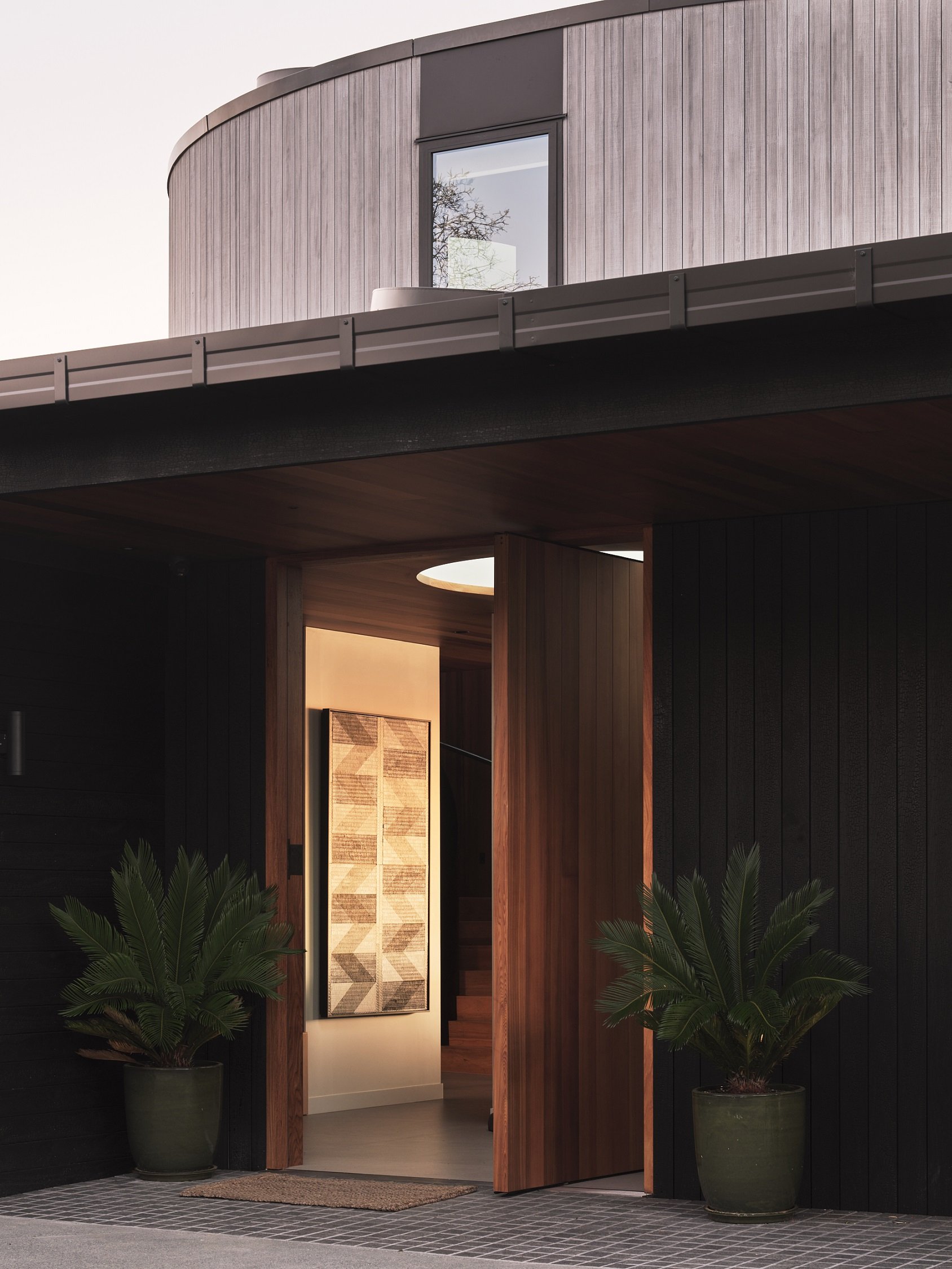
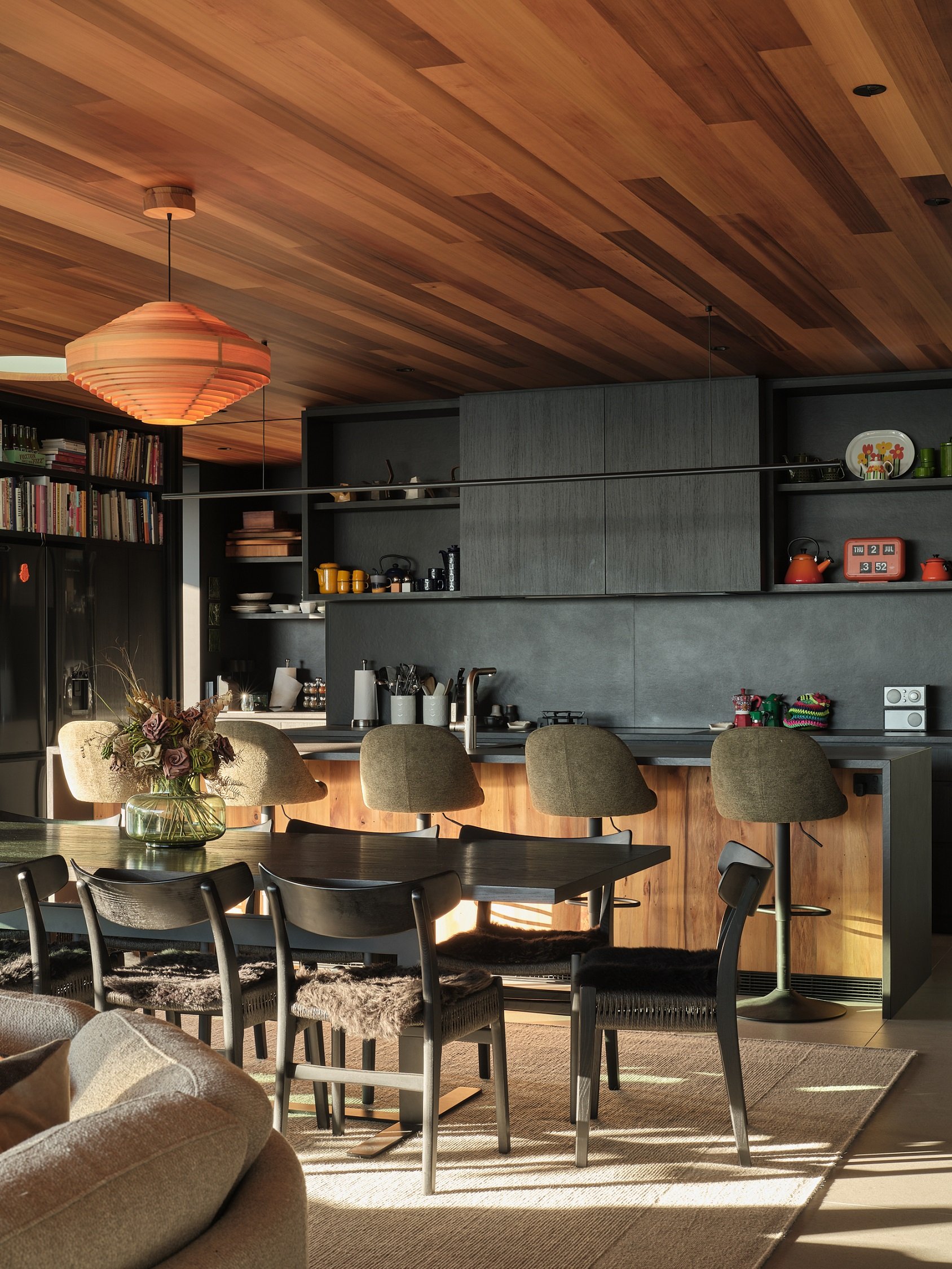
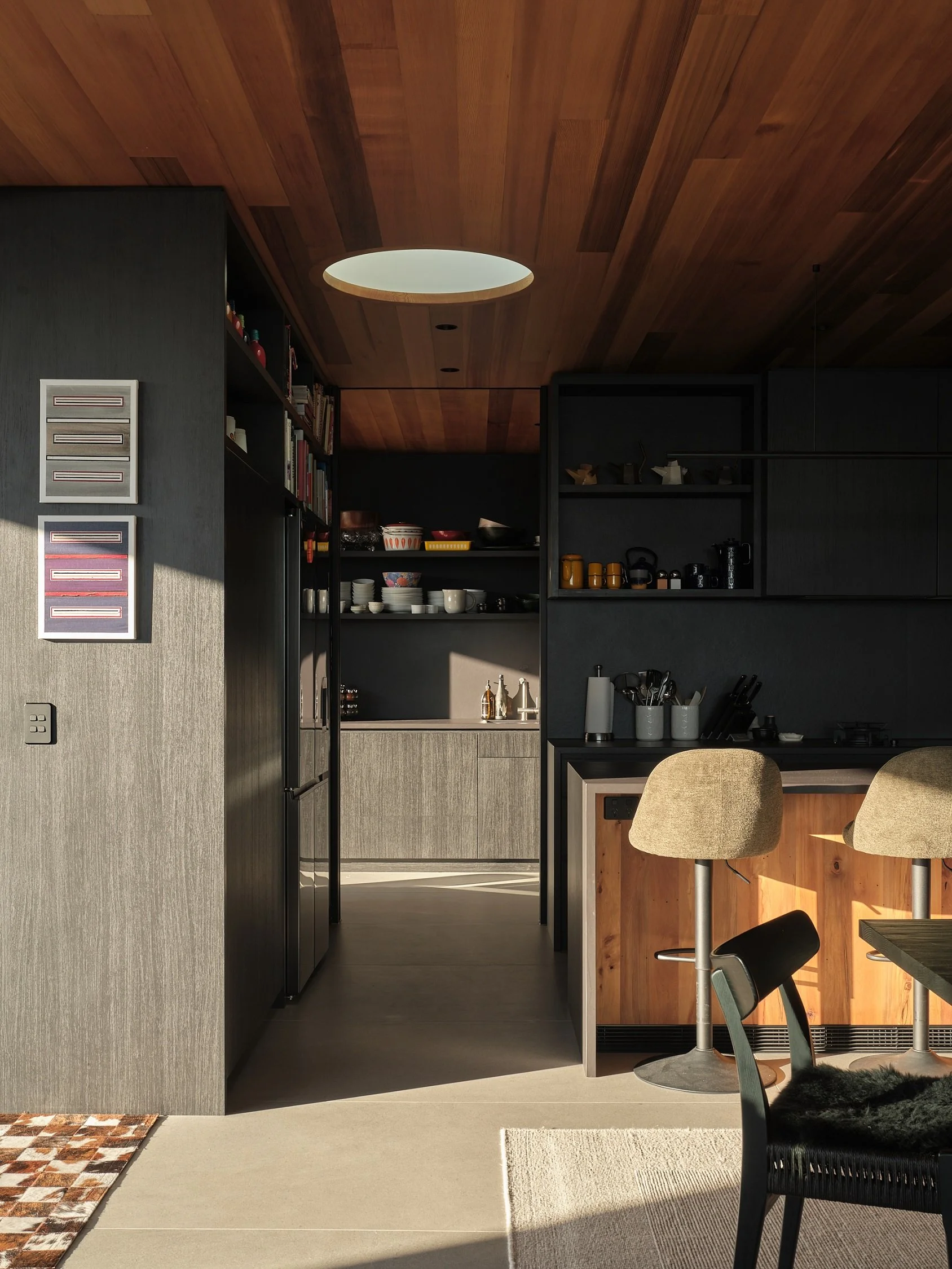
A restrained material palette grounds the project within its coastal setting. Charred Accoya timber sits alongside naturally weathering Abodo cladding, in situ concrete, dark metal detailing, and cedar soffits, each selected for its durability, longevity, and capacity to age with integrity. Internally, cedar continues through ceilings and key architectural elements, bringing warmth and texture to spaces defined by natural light.
Passive solar principles, high-performance building systems, and enduring materials underpin the home's environmental performance, ensuring it is as resilient as it is comfortable.
Rather than competing with the landscape, Te Ahikā is part of it. The architecture provides a quiet backdrop for family life, art, and the changing conditions of the coast, creating a home that is both grounded in place and generous in spirit.
Photography by Sam Hartnett